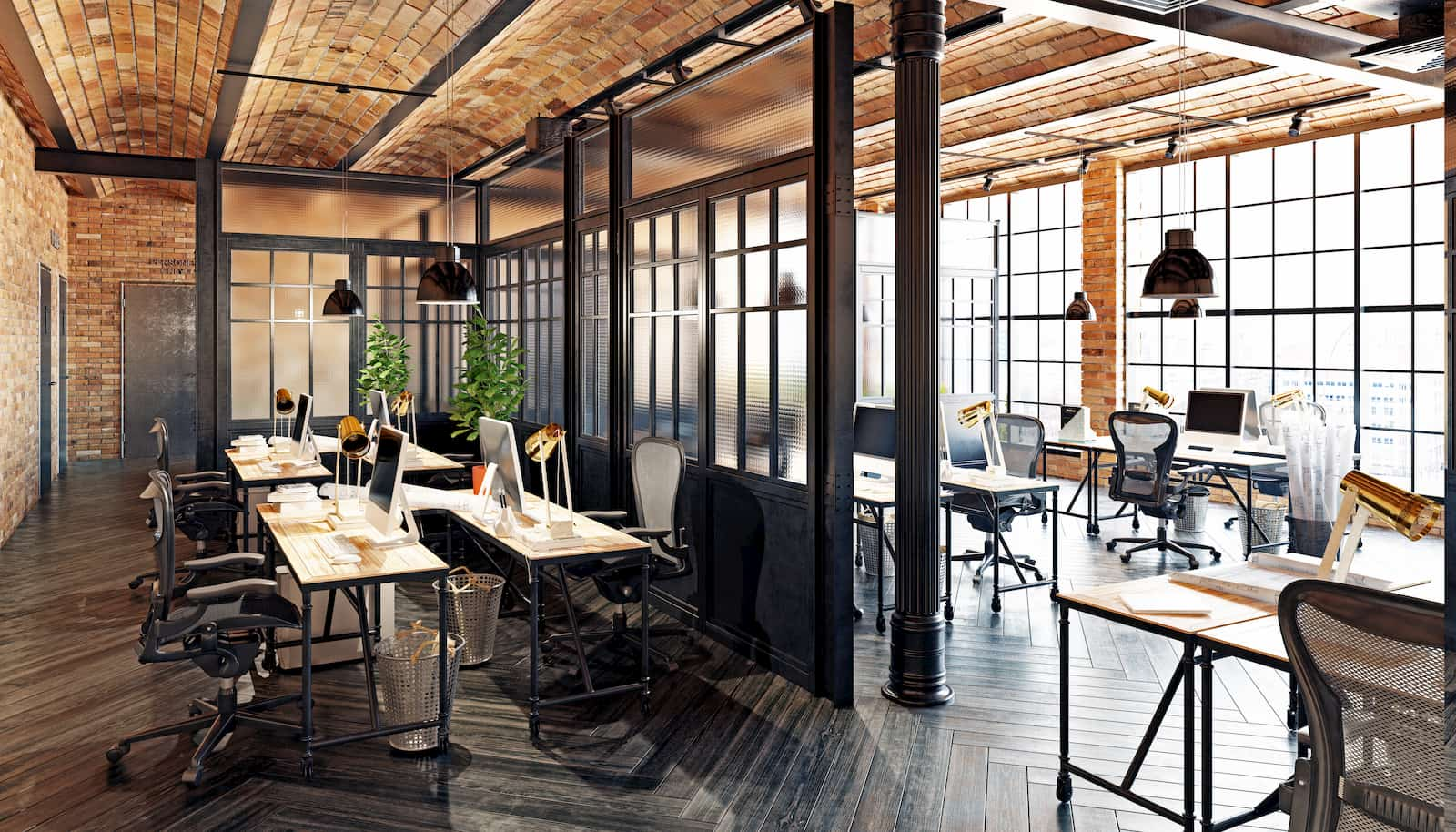
5 Essential Tips for Thriving in an Open Office Environment
Thriving in an open office environment can be challenging, but with the right strategies, you can enhance your productivity and create a positive atmosphere around you. Here are 5 essential tips to help you navigate your workspace effectively:
- Establish Clear Boundaries: Use visual cues like headphones or a 'do not disturb' sign to signal when you are focused and not available for casual conversations.
- Take Regular Breaks: Step away from your desk periodically to recharge your mind, which can help you stay focused and engaged throughout the day.
- Organize Your Workspace: Keep your desk tidy and organized to minimize distractions and maintain a productive environment.
- Communicate Openly: Foster a collaborative spirit by openly discussing projects and ideas with colleagues. This can lead to more effective teamwork.
- Adapt Your Schedule: If possible, try to work during off-peak hours when the office is quieter, allowing you to concentrate better on your tasks.
In addition to the above tips, it's important to remember that self-care plays a vital role in your success in an open office space. Make time for activities that recharge you, whether it's a quick walk outside or a few minutes of meditation in a quiet corner. By prioritizing your well-being, you can cultivate a more productive and positive work experience.
Implementing these strategies can significantly enhance your ability to thrive in an open office environment. Take the time to experiment with different approaches and discover what works best for you. With a little effort and mindfulness, you'll not only succeed personally but also contribute positively to your team.
Counter-Strike
Counter-Strike is a team-based first-person shooter that has become one of the most popular games in the world. Players can choose to be part of the terrorist or counter-terrorist team, and the game emphasizes strategy, teamwork, and skill. For those looking to enhance their gaming experience, check out these Top 10 MacBook Accessories for Office that can provide essential tools for a better setup.
The Psychology of Workspace Design: How Your Office Affects Productivity
The design of your workspace plays a crucial role in shaping employee productivity and overall satisfaction. Research in environmental psychology suggests that elements such as lighting, color schemes, and layout can significantly influence mood and efficiency. For instance, natural light has been shown to reduce eye strain and enhance mood, leading to a more energized workforce. Therefore, businesses must consider integrating windows, open spaces, and an effective lighting plan to foster a positive atmosphere.
Moreover, the arrangement of office furniture is equally important in driving productivity. An effective workspace should encourage collaboration while also providing spaces for focused work. Incorporating ergonomic furniture can reduce discomfort and distractions, allowing employees to maintain their concentration throughout the day. Additionally, using color psychology—such as calming blues or stimulating yellows—can further enhance cognitive function. By understanding the psychological impact of workspace design, organizations can create an environment that supports their team’s best work.
Is Remote Work Here to Stay? Exploring the Future of Workspaces
The rise of remote work has transformed the traditional workplace, leading many to question whether this trend is temporary or a lasting shift in how we operate. According to recent studies, a significant percentage of companies have opted to adopt flexible work policies, allowing employees to choose between in-office and remote setups. This transition has been accelerated by advancements in technology, which has made it easier for teams to collaborate effectively from different locations. As businesses begin to realize the potential for increased productivity and employee satisfaction, it's becoming clear that remote work is not just a fleeting phenomenon but a potential future of workspaces.
Despite the many benefits, there are challenges that organizations must address to make remote work sustainable. Issues such as team cohesion, communication gaps, and maintaining company culture are paramount. To tackle these challenges, companies are implementing innovative solutions such as regular virtual team-building activities and investment in collaborative tools. As we move forward, it is essential to find a balance between remote and in-office work to create a hybrid model that caters to diverse employee needs. Ultimately, as we explore the future of workspaces, it seems increasingly likely that remote work is here to stay, reshaping the landscape of how we perceive and engage with our professional environments.