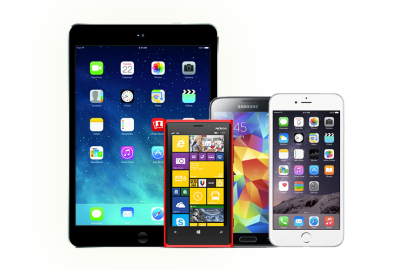
How Devices Revolutionize Our Daily Routines
In today's fast-paced world, devices have become essential components that revolutionize our daily routines. From smartphones to smart home systems, these technological advancements streamline various tasks, allowing us to focus on what truly matters. For instance, mobile devices enable instantaneous communication and access to information, ensuring we stay connected with friends, family, and colleagues regardless of our location. Furthermore, apps dedicated to productivity assist in organizing our schedules, setting reminders, and even managing finances, ultimately leading to a more efficient day.
Moreover, the integration of devices in our homes has transformed mundane activities into automated processes. Smart home technology, such as virtual assistants and automated lighting systems, not only enhances convenience but also promotes energy efficiency. As a result, many households are adopting smart thermostats, which learn our preferences and adjust heating and cooling automatically. This revolution in daily routines highlights how technology is not just about convenience; it also contributes to sustainability. In this new era, embracing these technological tools can significantly improve our quality of life.
Counter-Strike is a popular tactical first-person shooter game that emphasizes teamwork and strategy. Players join either the terrorist team or the counter-terrorist team to complete objectives or eliminate the opposing side. For players looking to enhance their gaming setup, check out these Top 10 Tablet Accessories that can improve performance and comfort while gaming.
The Hidden Impact of Smart Devices on Mental Health
The rise of smart devices has transformed our daily lives, offering unparalleled convenience and connectivity. However, this constant connectivity can have a profound and often hidden impact on our mental health. Studies show that prolonged use of smartphones and other devices can lead to increased feelings of anxiety and depression. The incessant notifications and the pressure to stay updated can create a sense of overwhelm, making it difficult for individuals to focus on real-life interactions. Moreover, the curated nature of social media can lead to unhealthy comparisons, further exacerbating issues related to self-esteem and mental wellness.
Additionally, the blue light emitted by smart devices can disrupt our sleep patterns, leading to a cycle of fatigue and irritability. According to the National Sleep Foundation, using devices before bedtime can make it harder to fall asleep and reduce the overall quality of sleep. This lack of restful sleep can contribute to cognitive decline and emotional dysregulation. To mitigate these effects, it is crucial to establish healthy boundaries with technology. Strategies such as designated screen-free times and engaging in offline activities can help restore balance and promote better mental health.
Are We Too Dependent on Our Devices?
In today's digital age, the question Are we too dependent on our devices? has become increasingly relevant. Many people find it hard to disconnect from their smartphones, tablets, and computers, often leading to a phenomenon known as 'digital addiction.' Research indicates that the average person spends over six hours a day on their devices, which can have detrimental effects on mental health, face-to-face interactions, and even productivity.
Moreover, our reliance on devices can manifest in various aspects of life. For instance, GPS navigation has made us less skilled at reading physical maps, while social media can oftentimes replace genuine social interactions. As we integrate technology more deeply into our daily routines, it raises a critical question: Are we sacrificing essential life skills and authentic connections for the convenience that our devices provide? The answer may ultimately depend on our ability to find a healthy balance between digital and real-world interactions.