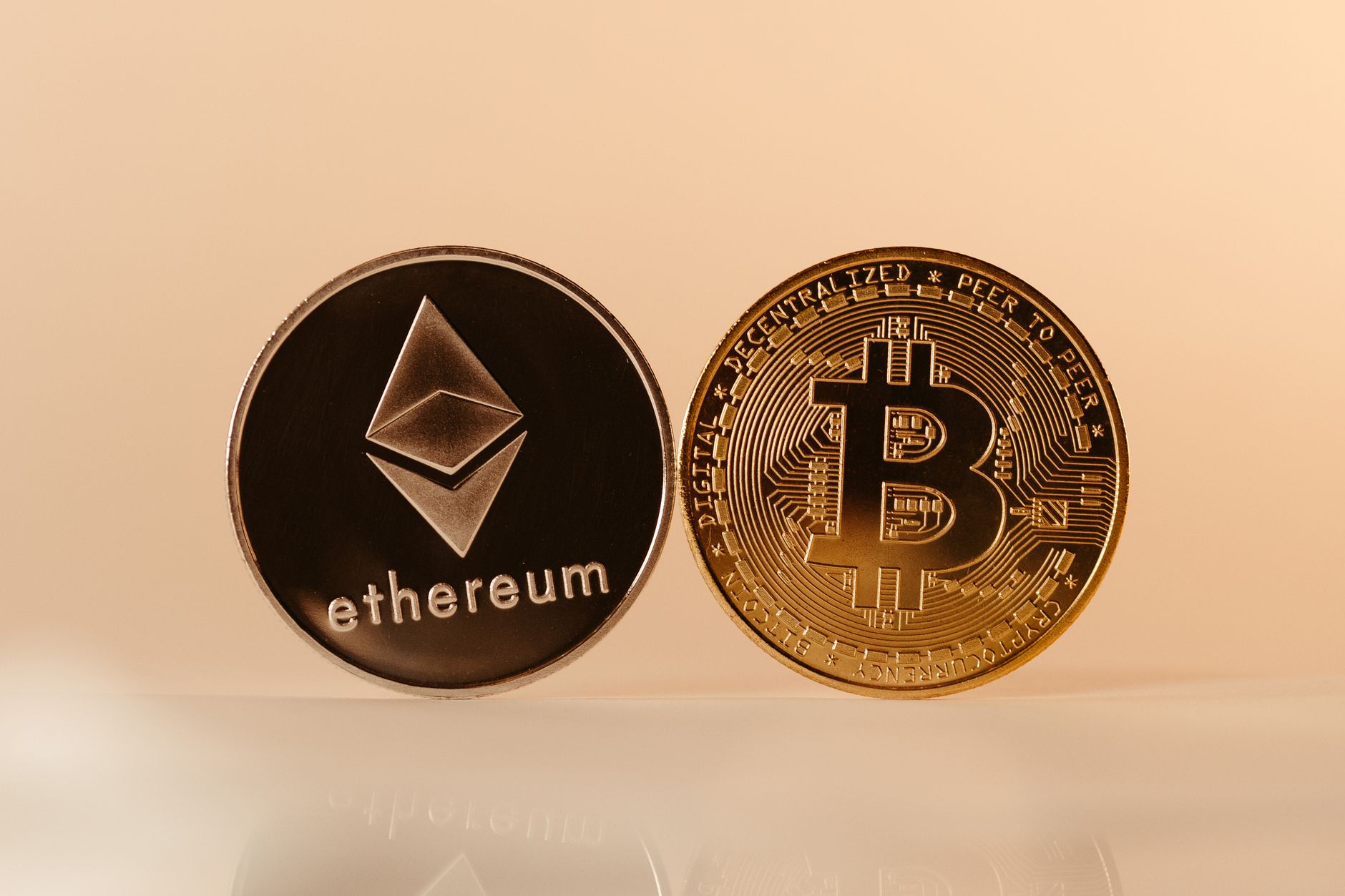
Ethereum Casinos vs. Bitcoin: What's the Real Advantage & How to Get Started?
When comparing Ethereum casinos to Bitcoin casinos, the primary advantage for Ethereum often lies in its smarter contract functionality and lower transaction fees, particularly during periods of network stability. While Bitcoin pioneered cryptocurrency gambling, its network can experience slower confirmation times and higher fees due to its Proof-of-Work consensus mechanism. Ethereum, especially with its transition to Proof-of-Stake (Ethereum 2.0), aims to offer a more scalable and efficient blockchain. This translates to quicker deposits and withdrawals on casino platforms, enhancing the user experience. Furthermore, many decentralized applications (dApps) and unique gaming experiences are built directly on the Ethereum blockchain, offering innovative features not always present in Bitcoin-centric casinos. Consider these factors when choosing your preferred crypto gambling platform.
Getting started with Ethereum casinos is remarkably similar to Bitcoin. First, you'll need an Ethereum wallet (e.g., MetaMask, Ledger) and some Ether (ETH), which can be purchased from cryptocurrency exchanges like Coinbase or Binance. Once you have ETH, navigate to a reputable Ethereum-friendly online casino. The process typically involves:
- Creating an account (often requiring minimal personal information for crypto casinos).
- Depositing ETH directly from your wallet to the casino's provided address.
- Choosing from a wide array of games, from slots and table games to live dealer experiences.
Always ensure the casino is licensed and has a strong reputation for fair play and secure transactions. Look for transparent terms and conditions and responsive customer support to ensure a smooth and enjoyable gambling experience with your ETH.
Experience the future of online gaming with an ethereum casino, offering a secure and transparent way to play your favorite casino games. These platforms leverage blockchain technology for provably fair results and swift transactions.
Smart Contracts & Security: Your Questions Answered About Playing Safely on Ethereum
The world of decentralized finance (DeFi) on Ethereum, powered by smart contracts, offers unprecedented opportunities for innovation and financial freedom. However, this revolutionary technology also presents unique security considerations. Understanding these is paramount for safely navigating the ecosystem. Smart contracts, being self-executing agreements coded onto the blockchain, are immutable once deployed. This permanence is a double-edged sword: it guarantees execution as intended, but also means any vulnerabilities or bugs in the code become permanent and exploitable. Therefore, rigorous auditing by reputable third parties is not just a recommendation but an absolute necessity before interacting with any significant smart contract. Always prioritize projects that openly share their audit reports and have a strong track record of security.
Beyond code audits, several best practices can significantly enhance your security posture when interacting with Ethereum smart contracts. Firstly, never connect your primary wallet to unverified or suspicious dApps. Use a separate, low-value wallet for experimental interactions. Secondly, always double-check the transaction details before confirming, especially the contract address and the amount being transferred. Phishing attacks and malicious contract approvals are common threats. Thirdly, educate yourself on common smart contract vulnerabilities like reentrancy attacks, front-running, and integer overflows. While developers are responsible for preventing these, user awareness can help identify red flags. Finally, consider using hardware wallets for storing your private keys, as they offer the strongest protection against online threats, ensuring your funds remain secure even if your computer is compromised.