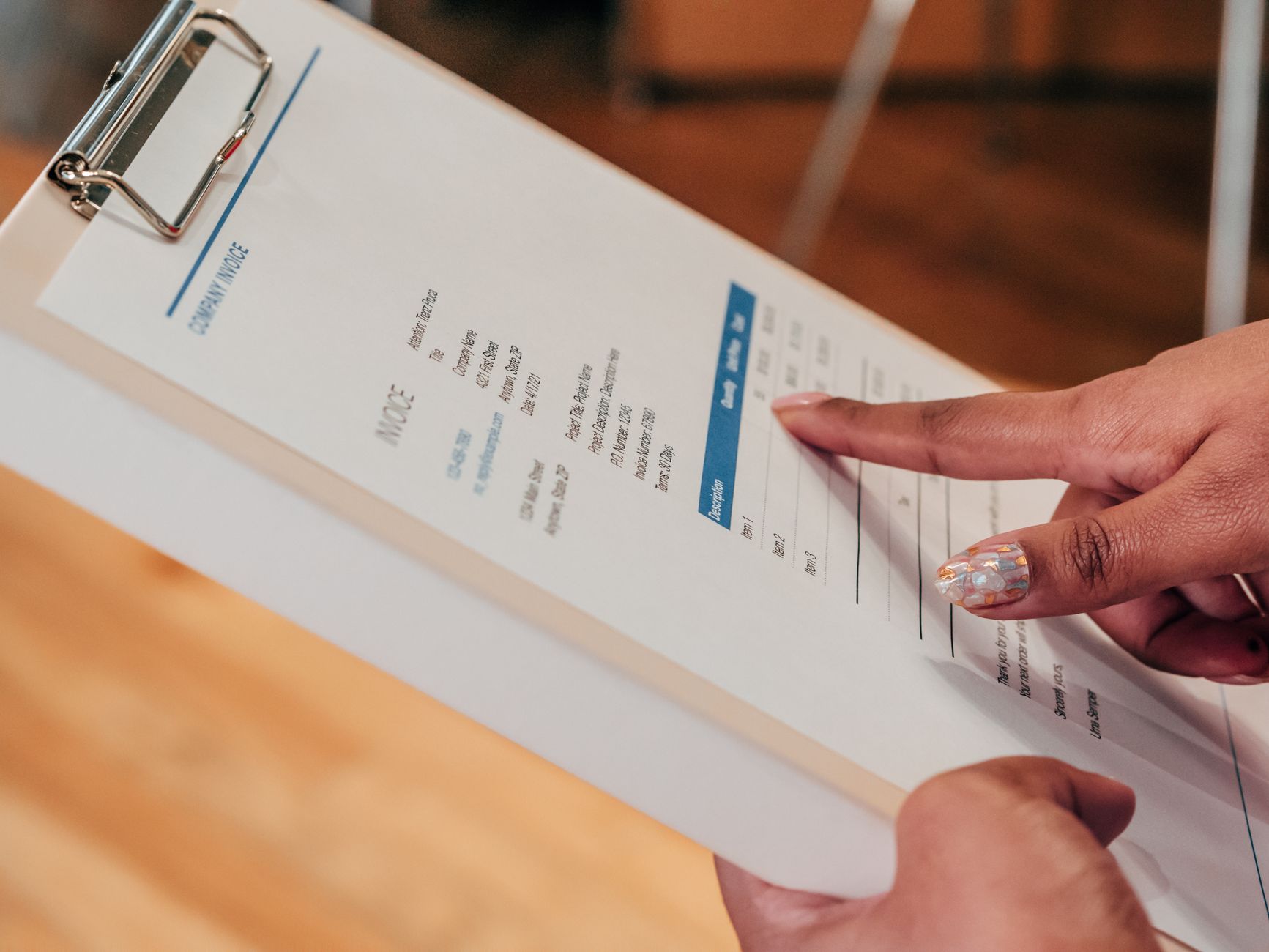
Understanding E-Invoicing: What It Means for Your Business (And Why You Can't Ignore It)
E-invoicing isn't just a buzzword; it's a fundamental shift in how businesses handle their financial transactions, moving away from traditional paper-based systems to a fully digital, automated approach. At its core, it involves the exchange of invoices in a structured electronic format directly between supplier and buyer systems, rather than relying on PDFs or scanned documents. This isn't merely about emailing a document; it's about machine-readable data that can be processed without manual intervention. For your business, this translates to significant benefits: faster payment cycles, drastically reduced human error, and improved data accuracy. The days of lost invoices and laborious manual data entry are numbered, making way for a streamlined, efficient financial workflow that is becoming the global standard.
Ignoring the rise of e-invoicing is no longer an option for businesses aiming for efficiency and compliance. Governments worldwide are increasingly mandating e-invoicing, with many countries already having established frameworks and others rapidly implementing them. This means that soon, if not already, your ability to conduct business with certain partners or in specific regions will hinge on your capacity to send and receive e-invoices. Beyond regulatory compliance, the competitive advantage is clear: businesses that embrace e-invoicing benefit from
- enhanced security and audit trails
- reduced operational costs associated with printing and postage
- improved cash flow forecasting
An e-invoicing readiness assessment is crucial for businesses to evaluate their current systems, processes, and resources against the requirements of upcoming e-invoicing mandates. This assessment helps identify gaps, potential challenges, and necessary adjustments to ensure a smooth and compliant transition to electronic invoicing. By proactively understanding their readiness, organizations can mitigate risks and optimize their implementation strategy.
Your Actionable E-Invoicing Readiness Checklist: From Tech to Training (And What to Do About Common Hiccups)
Embarking on your e-invoicing journey requires more than just picking a platform; it demands a holistic readiness strategy spanning technology, people, and processes. Begin by auditing your existing infrastructure: can your current accounting software integrate seamlessly, or will a new ERP solution be necessary? Consider the data formats required by your local regulations – is it UBL, CII, FatturaPA, or something else? Don't overlook crucial security protocols; data encryption, access controls, and regular vulnerability assessments are paramount to protect sensitive financial information. A robust readiness checklist will ensure you identify potential gaps early, allowing you to allocate resources effectively and avoid costly last-minute scrambles. This proactive approach sets the stage for a smooth transition and rapid adoption.
Beyond the technical backbone, human elements and process adjustments are equally critical. Your readiness checklist must include a comprehensive training plan for all stakeholders, from accounts payable/receivable teams to IT support. Understanding new workflows, potential error messages, and escalation procedures will minimize disruption. Furthermore, anticipate common hiccups and develop mitigation strategies; what happens if a supplier isn't e-invoicing ready, or if a submission fails due to formatting errors? Establish clear communication channels and dedicated support resources. A well-defined change management strategy, perhaps including a pilot phase with a small group of vendors, can iron out kinks before a full rollout. Remember, successful e-invoicing adoption is as much about people and preparedness as it is about software.