The Secret Life of Your Chair: How Ergonomics Can Save Your Back
When it comes to maintaining a healthy back, many people overlook the importance of their chair. Ergonomics plays a crucial role in how your body feels at the end of the day, especially if you spend long hours sitting. A well-designed chair supports your posture and aligns your spine, preventing discomfort and potential long-term injury. In fact, experts suggest that investing in an ergonomic chair can significantly reduce the risk of developing back pain, allowing you to enjoy a more productive and pain-free workspace.
So, what features should you look for in a chair to enhance its ergonomic benefits? Here are some key elements:
- Adjustability: Your chair should allow for height, armrest, and lumbar support adjustments.
- Seat Depth: Ensure the seat is deep enough to support your thighs while allowing some space behind your knees.
- Backrest: A backrest that supports your lower back is essential for maintaining proper posture.
Counter-Strike is a popular multiplayer first-person shooter that has captured the attention of gamers worldwide. The game emphasizes team-based gameplay where players can choose to be part of terrorists or counter-terrorists. For those looking to enhance their gaming experience, check out the Top 10 iPad Stands for Couch, which can provide comfort during long gaming sessions. With its strategic depth and competitive nature, Counter-Strike remains a staple in the esports scene.
Are You Sitting Comfortably? The Hidden Dangers of Poor Posture
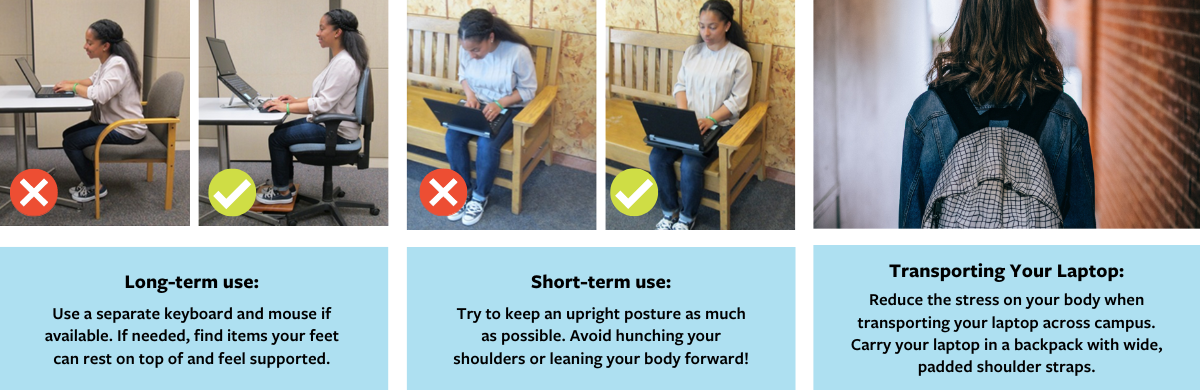
In today's fast-paced world, many of us find ourselves glued to our screens for hours on end. This prolonged sitting can lead to a variety of health issues, making it crucial to understand the hidden dangers of poor posture. When we slouch or hunch over our devices, we place unnecessary strain on our muscles and spine, which can result in chronic pain and discomfort. Studies have shown that maintaining a proper posture not only enhances physical well-being but also boosts mental clarity and productivity. To combat the effects of poor posture, consider implementing simple changes in your daily routine, such as taking regular breaks to stretch or adjusting your workstation setup.
Furthermore, poor posture can have long-term effects that go beyond mere discomfort. It can lead to digestive problems, reduced lung capacity, and even emotional impacts such as increased stress levels and decreased confidence. To avoid these potentially debilitating outcomes, it's essential to be mindful of your posture throughout the day. Here are some quick tips to help you sit more comfortably and protect your health:
- Adjust your chair: Ensure that your feet can rest flat on the floor and your back is supported.
- Keep your monitor at eye level: This helps to keep your neck straight and reduces strain.
- Take frequent breaks: Stand up and walk around every 30 minutes to promote circulation and relieve tension.
5 Warning Signs Your Chair is a Back Pain Culprit
If you find yourself experiencing persistent discomfort in your back, it might be time to evaluate your furniture, particularly your chair. Back pain can often be traced back to poor ergonomics and inadequate support. Here are five warning signs that your chair could be contributing to your issues:
- Lack of lumbar support: If your chair doesn’t provide proper support for your lower back, you’re likely to experience pain.
- Uncomfortable seating surface: Sitting on a hard or uneven surface can lead to poor posture and discomfort.
- Improper seat height: Your chair should allow your feet to rest flat on the floor; if not, it may strain your back.
- Flat backrest: A flat backrest fails to support the natural curve of your spine, leading to pain over time.
- Frequent shifting: If you find yourself constantly adjusting your position, it’s a sign that your chair isn’t providing adequate comfort.