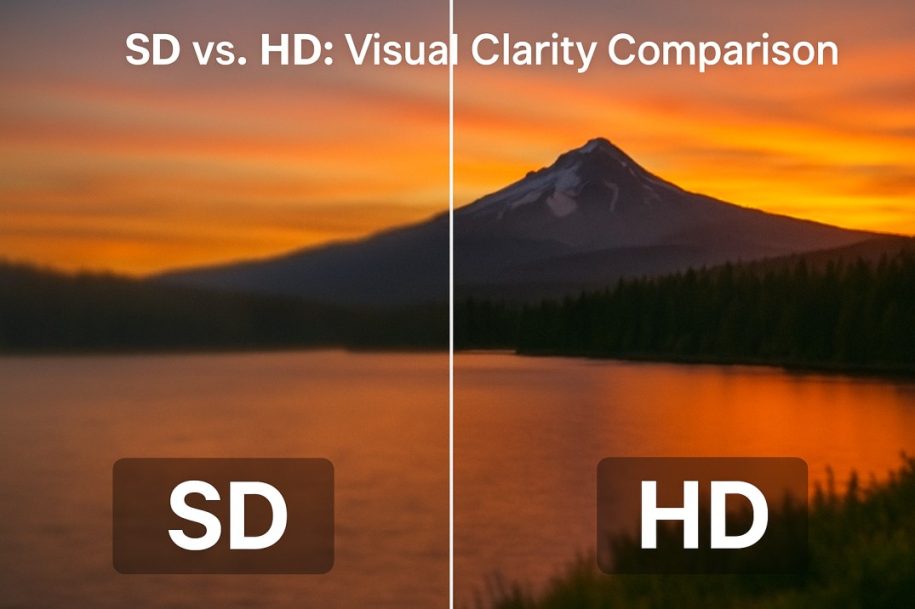
Understanding Resolution: What Pixels Really Mean for Video Quality
Understanding resolution is crucial for anyone looking to enhance their video quality. At its core, resolution refers to the number of pixels displayed on the screen, which directly impacts the clarity and detail of the image. The more pixels there are, the higher the resolution, and the sharper and more detailed the video appears. Common resolutions include 720p, 1080p, and 4K, with each step up providing significantly better visual fidelity. For instance, 4K resolution has over eight million pixels, which is four times the pixel count of 1080p, resulting in a more immersive viewing experience.
However, resolution isn't the only factor affecting video quality. Other elements such as bitrate, frame rate, and color depth also play a pivotal role. A video might have a high resolution but poor quality if the bitrate is too low, leading to compression artifacts and a lack of detail. Additionally, understanding how these factors interplay can help consumers choose the right format for their needs, whether they're streaming, editing, or simply enjoying content. Always consider resolution alongside these other aspects to ensure a comprehensive approach to video quality.
Counter-Strike is a highly popular first-person shooter game that emphasizes team play and strategy. Players can choose to play as terrorists or counter-terrorists, engaging in various game modes that require skill and coordination. For those interested in enhancing their gaming experience, check out the Top 10 Phone Accessories for YouTube to find useful gear that can help you capture and stream your gameplay.
Beyond Pixels: How Color Depth and Frame Rate Affect Your Viewing Experience
When it comes to digital media, the importance of color depth cannot be overstated. Color depth refers to the number of bits used to represent the color of a single pixel, and higher color depths allow for a broader range of colors to be displayed. This enhancement directly impacts your viewing experience, as images appear more vibrant and realistic. For instance, an 8-bit color depth can represent a mere 256 colors, while a 10-bit color depth dramatically increases that number to over a billion. As a result, scenes with subtle gradients and intricate details become richer and more immersive, which is particularly crucial for tasks that demand visual accuracy, such as graphic design and gaming.
Equally important is the frame rate, which determines how many frames are displayed per second in a video. A higher frame rate typically results in smoother motion and reduces visible stuttering, enhancing the overall viewing experience. For example, videos at 30 frames per second (fps) may seem acceptable for casual viewing, but fast-paced action scenes or gaming can benefit from frame rates of 60 fps or even higher. This improvement is essential for competitive gaming, where every millisecond counts, and helps deliver a more fluid experience for viewers engrossed in high-octane content. In summary, understanding how color depth and frame rate work together can transform your digital viewing experience.
What Makes a Video 'High Quality'? A Deep Dive into More Than Just Pixels
When evaluating what makes a video 'high quality,' many people often focus solely on resolution metrics like 4K or 1080p. However, high quality encompasses much more than just pixel counts. Video clarity also involves factors such as frame rate, color grading, and lighting. A well-composed shot can significantly enhance the viewing experience, ensuring that the audience remains engaged. Furthermore, audio quality plays a crucial role; clear sound can elevate a video’s overall perception, while poor audio can detract from even the most visually stunning footage.
Additionally, storytelling and content originality are vital aspects that contribute to a video's high quality. A compelling narrative captivates viewers, prompting them to share and discuss the content, which in turn improves its visibility online. Moreover, factors such as editing techniques and pacing are pivotal. Incorporating visual effects and transitions that complement the story rather than overwhelm it can distinguish a high-quality video from a mediocre one. Ultimately, achieving high quality is about crafting a holistic sensory experience that enthralls viewers on multiple levels.