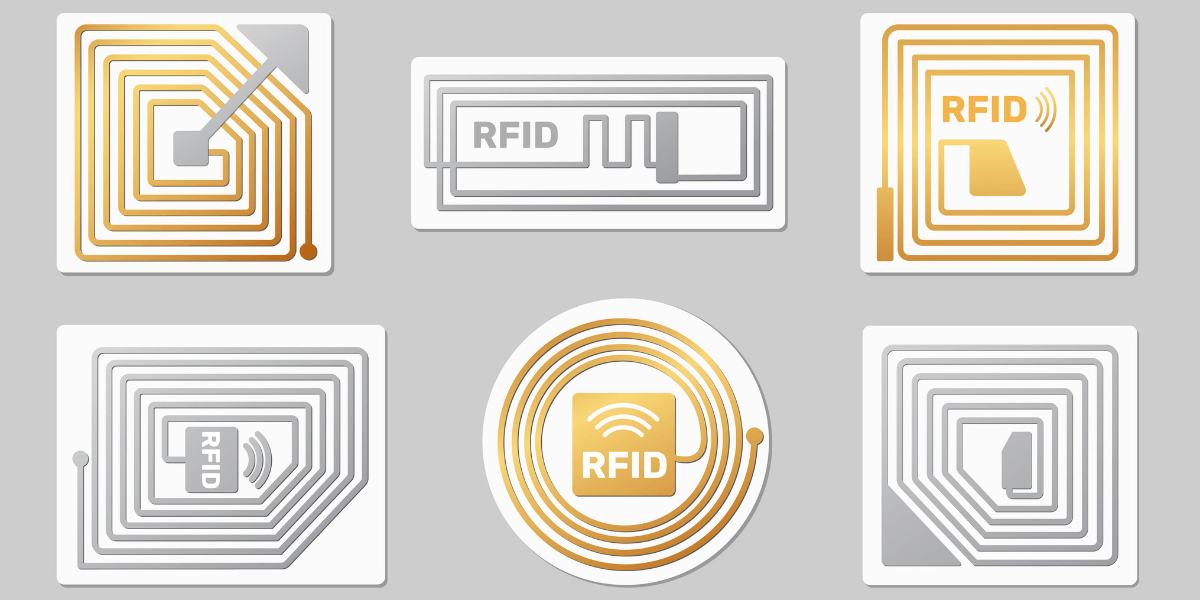
How RFID Technology Works: A Beginner's Guide
RFID technology, or Radio-Frequency Identification, is a method of automatic identification that uses electromagnetic fields to transfer data. It consists of three main components: RFID tags, readers, and backend systems. RFID tags contain a microchip and an antenna, which are used to store and transmit information wirelessly. When a reader emits radio waves, the RFID tag captures this energy and responds by sending back its stored data. This interaction happens in real-time, making RFID a powerful solution for various tracking and inventory management applications.
The operation of RFID technology can be broken down into a basic four-step process:
- Tag Activation: The RFID reader activates nearby tags with its radio waves.
- Data Transmission: The tag receives energy and transmits its unique identifier back to the reader.
- Data Reception: The reader captures the data and forwards it to a connected system.
- Data Processing: The backend system processes the information for tracking, inventory management, or other applications.
Counter-Strike is a popular tactical first-person shooter game that has captivated players around the world. It emphasizes teamwork, strategy, and skillful shooting in dynamic map environments. If you're looking to enhance your gaming experience, check out the Top 10 magsafe wallets to keep your essentials organized while you play.
The Benefits of RFID in Supply Chain Management
Radio-Frequency Identification (RFID) technology has revolutionized Supply Chain Management by enhancing visibility and efficiency. One of the primary benefits of RFID is its ability to provide real-time tracking of goods as they move through the supply chain. This level of visibility allows businesses to monitor inventory levels accurately, reducing the risk of stockouts and overstock situations. Moreover, with an RFID system, companies can quickly identify and locate products, which streamlines operations and improves overall response times to customer demands.
Another significant advantage of implementing RFID in Supply Chain Management is improved data accuracy. Traditional inventory management methods often rely on manual entry, which can lead to errors that compromise operational efficiency. In contrast, RFID technology enables automated data collection, ensuring that inventory records are consistently up-to-date. Additionally, organizations can leverage this data to optimize processes such as forecasting, restocking, and order fulfillment. As a result, businesses not only save time and reduce labor costs but also enhance customer satisfaction by delivering products more reliably and efficiently.
Common Myths About RFID: What You Really Need to Know
Radio Frequency Identification (RFID) technology is often misunderstood, leading to several common myths that can misguide users and businesses alike. One prevalent myth is that RFID technology poses significant privacy risks and can be used to track individuals without their consent. While it is true that RFID can track objects, the systems require an active reader and appropriate permissions to access any associated data. Therefore, the concern over unauthorized tracking should be properly contextualized within the scope of existing legal frameworks and ethical usage.
Another misconception is that RFID tags are prohibitively expensive and only designed for large enterprises. In reality, RFID technology has become increasingly affordable, with various options available that cater to small businesses as well. The cost-effectiveness of implementing RFID solutions has improved dramatically, making them accessible for inventory management, asset tracking, and even personal items. As a result, more businesses can leverage RFID to enhance operational efficiency without breaking the bank.