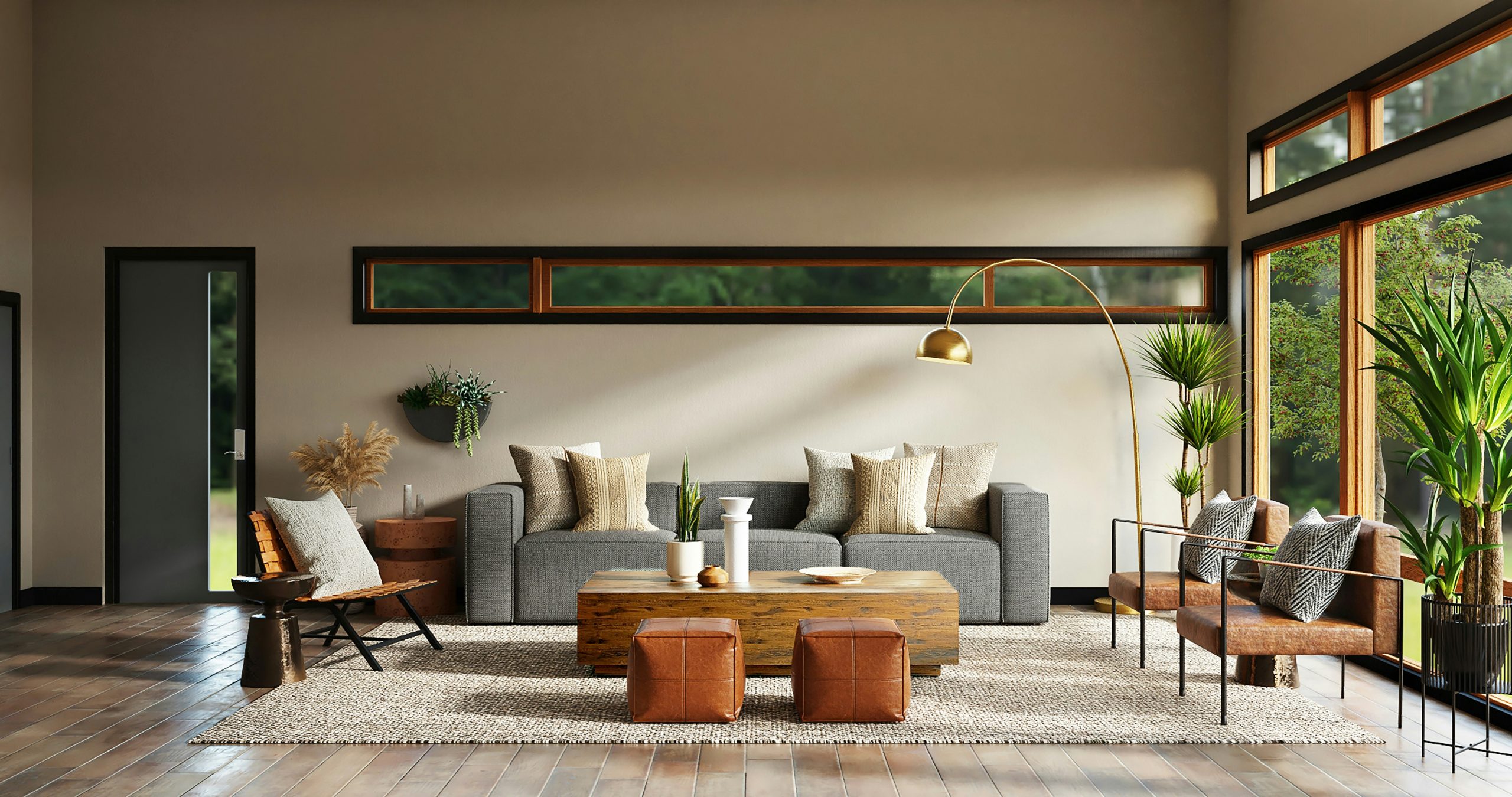
5 Timeless Interior Design Trends That Will Transform Your Living Space
When it comes to interior design, certain trends transcend time, offering enduring appeal and functionality. Here are 5 timeless interior design trends that can transform your living space into a haven of style and comfort. First on the list is minimalism, which emphasizes simplicity and declutters your environment, allowing your personal style to shine through without distractions. The essence of minimalism lies in its clean lines and neutral color palettes, which create a serene atmosphere that many homeowners desire.
Next, we have natural materials that bring warmth and texture to any room. Incorporating elements like wood, stone, and organic fabrics not only enhances visual appeal but also promotes sustainability. Thirdly, let’s highlight the use of bold lighting fixtures as statement pieces. Whether a vintage chandelier or sleek modern pendant, these fixtures can serve as focal points, effortlessly elevating your decor. Additionally, don’t overlook the power of layered textiles, which can add depth and coziness. Finally, embracing timeless color schemes, such as shades of white, gray, and earth tones, can ensure your space remains stylish for years to come.
Counter-Strike is a popular tactical first-person shooter game that has captivated millions of players since its release. Players team up as either terrorists or counter-terrorists to complete objectives such as bomb defusals or hostage rescues. The game demands strategic thinking, teamwork, and precise shooting skills. If you're looking to enhance your gaming setup, check out the Top 10 homepod stands for a better audio experience while you play.
How to Incorporate Sustainable Design Elements into Your Home
Incorporating sustainable design elements into your home not only enhances its aesthetic appeal but also contributes to a healthier planet. Start by opting for eco-friendly materials such as bamboo, recycled metal, or reclaimed wood for your furniture and flooring. These materials not only look stunning but also have a reduced environmental impact compared to traditional options. Additionally, consider using low-VOC (Volatile Organic Compounds) paints and finishes to improve indoor air quality. This thoughtful approach can significantly reduce your carbon footprint while adding unique character to your space.
Another effective way to embrace sustainable design elements is by maximizing natural light and energy efficiency. Install large windows, skylights, or solar tubes to brighten your living areas, minimizing the need for artificial lighting. Pair these installations with energy-efficient appliances that consume less power and water. You might also want to consider landscape design that includes native plants, which require less water and maintenance. By making these choices, you create a beautiful, eco-conscious environment that reflects your commitment to sustainability.
Are Open Floor Plans Still in Style? Exploring Modern Living Space Trends
The open floor plan has been a popular choice in modern home design for years, praised for its ability to create a sense of space and encourage social interaction. However, as we move further into 2023, many are questioning whether this trend still holds its ground in the world of interior design. With the rise of remote work and changes in family dynamics, homeowners are increasingly prioritizing functionality and adaptability in their living spaces. As a result, there is a visible shift towards defined spaces that allow for privacy and specialized uses, suggesting that while open floor plans remain desirable, they are evolving to accommodate new lifestyles.
Current design trends indicate a blend of traditional and modern elements, with many homeowners opting for a hybrid approach. According to a recent survey, 59% of people still love the airy feel of open spaces, but they also appreciate the practicality of design features like sliding doors and movable partitions. These innovations offer the flexibility to transform areas as needed, catering to both social gatherings and quiet family time. Ultimately, while the open floor plan is not disappearing, it is being reimagined to meet the diverse needs of today's inhabitants.